
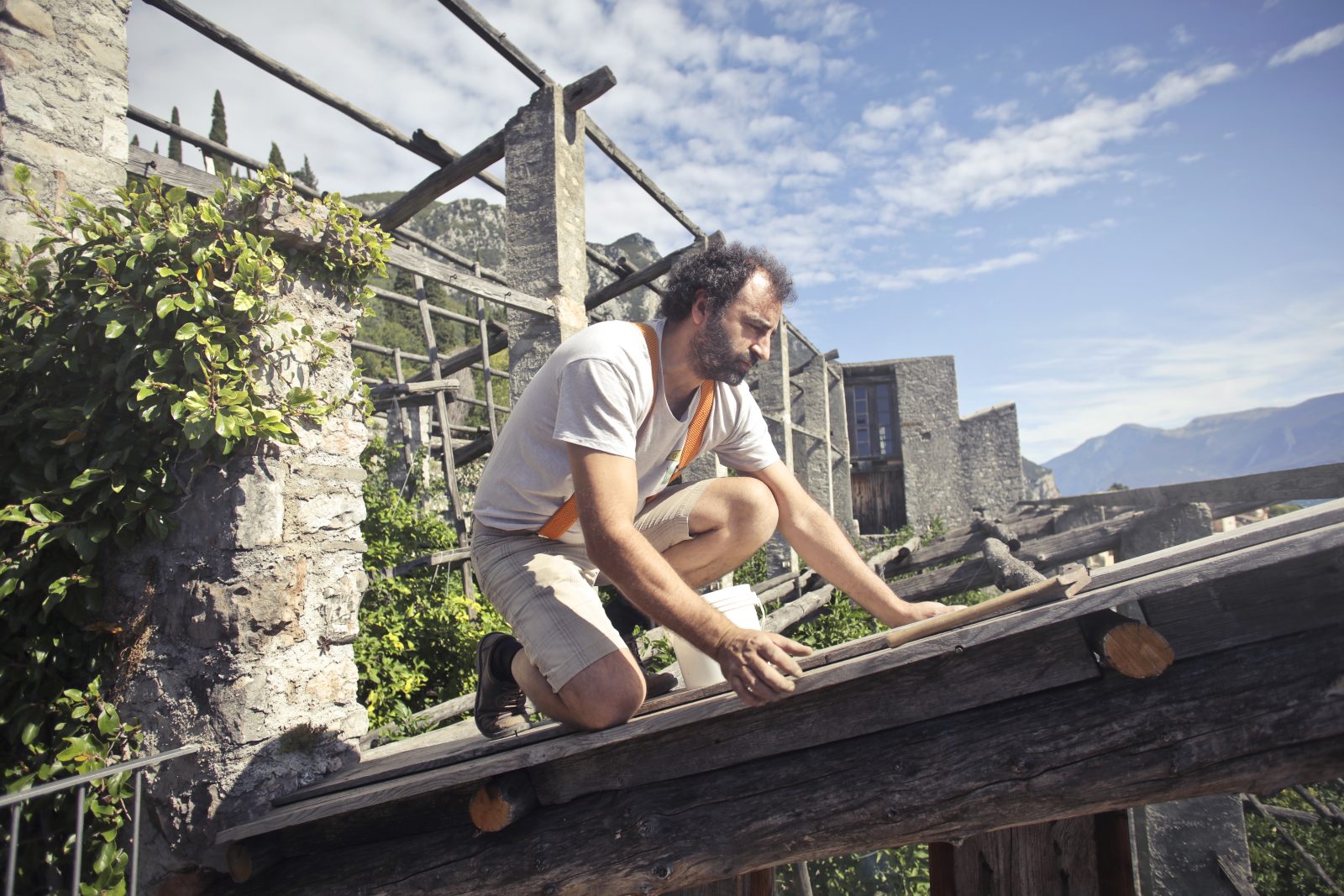

Roof systems often reveal their condition through small warning signs long before widespread damage appears. A single weakened section may seem like an isolated issue, yet it can uncover how the entire structure is holding up against age, weather, and wear. Many property owners search for “roofing near me” or “roof repair near me” with the hope that a patch will solve the problem, but the real answer depends on what that failing area represents.
Understanding When Localized Failures Point to Broader Roof Issues
A small leak or damaged section often acts as the first visible symptom of deeper concerns. Moisture intrusion, shingle decay, and fastener fatigue tend to spread quietly beneath the surface, showing up long after the problem began. Because of this, a failing spot might reflect early system-wide deterioration rather than an isolated defect.
Roof specialists often evaluate how water has traveled, how decking responds under inspection, and whether underlayment layers have begun separating. The findings frequently reveal issues that extend far beyond the original complaint. This is why many “roof replacement in Madison AL” services begin with detailed assessments designed to show how the entire structure is functioning.
Weighing Repair Costs Versus Long-term Replacement Value
A basic repair may seem appealing due to lower upfront cost, yet it can become the more expensive choice if failure continues in nearby areas. Patching only the damaged section often delays the inevitable while allowing underlying problems to grow unnoticed. This is especially common when roofs approach the end of their expected lifespan.
Another part of the equation involves material compatibility and long-term value. New shingles or membranes rarely blend seamlessly with older materials, which may shorten the repaired section’s durability. A full Madison roof replacement eliminates mismatched components and resets the entire roof’s lifespan, giving owners predictable performance instead of ongoing patch expenses.
Spotting Aging Materials That Signal a Full System Upgrade
Roofs age as a whole, even if only one area appears worn. Granule loss, brittle shingles, exposed nail heads, and soft decking can signal that the system is no longer delivering the protection it once did. These conditions often emerge together, not just in the visibly damaged zone.
Inspectors also look for ventilation problems, trapped humidity, and declining underlayment strength. These factors show whether the roof is nearing the natural end of its service life. If aging materials appear across multiple sections, a complete upgrade offers more stability than continual short-term repairs.
Comparing Isolated Fixes Versus Full-scale Roof Continuity
Repairs address only the surface-level failure, leaving adjacent aging materials to manage the load and weather stress. This can lead to repeated service calls and ongoing vulnerability. A seamless roof system, however, performs as one unified structure, spreading stress and resisting damage more effectively.
Continuity also matters for long-term structural reliability. Roofs depend on balanced layers, consistent fasteners, and uniform water-shedding patterns. If repaired sections interrupt that continuity, the roof becomes uneven in performance. Many who search for “Madison roof replacement” discover that a single replacement provides more predictable results than multiple isolated fixes.
Recognizing Structural Concerns That Outweigh Patch Repairs
Sometimes the issue extends beyond shingles and coatings. Damaged decking, weakened rafters, and long-term water intrusion affect how the entire roof carries weight. These structural concerns rarely improve with localized repair because the weakened sections continue spreading.
Professionals check for board displacement, sagging lines, and spongy areas underfoot. These are indicators that patching would only delay a more significant repair. Addressing the whole roof strengthens the underlying framework, making future storms less disruptive.
Considering Lifespan Gains from a Complete Roof Overhaul
A full replacement resets the clock on the system’s lifespan, giving property owners decades of predictable protection. This advantage often outweighs the short-term savings from spot repairs, especially when the roof is more than halfway through its service life. A uniform installation also strengthens overall resistance to heat, wind, and moisture. Equally important is warranty coverage. Full replacements typically come with stronger guarantees than isolated repairs. This provides peace of mind for those comparing “roof repair company” options and trying to determine which route offers better long-term stability.
Understanding When Replacement Delivers Better Weather Resilience
Storms in Alabama expose weaknesses quickly, especially on aging roofs. Wind uplift, driven rain, and hail impact failing sections much harder than newer, continuous materials. A complete replacement restores full weather resilience instead of relying on patches that may not handle extreme conditions. The reinforced barriers, updated underlayment, and modern roofing materials used today offer better protection than older systems built decades ago. This upgrade plays a key role in protecting property value and reducing future repair frequency. Fleming Roofing provides full replacement services for property owners who decide that addressing only one failing area no longer delivers the weather protection they need.